
- You are here:
- Home »
- Leadership »
- Stop Presenting Start Storytelling
Stop Presenting Start Storytelling
We all love a great story or the biography of someone who faced the odds, overcame, and emerged victorious. A well-told story draws us in and helps us identify with the characters’ emotions. In his book Tell to Win: Connect, Persuade, and Triumph with the Hidden Power of Story, Peter Guber points out that humans aren’t moved to action by “data dumps.” Facts and data alone won’t inspire. A compelling story sneaks past the gatekeeper of skepticism and disengages the force field of resistance. When we tune into a story, our defenses drop and we open up. Effective storytelling gains access to your audience’s minds and hearts, creates a connection, and makes them the hero of your presentation.
Guber employs the Trojan Horse metaphor as a means to bypass objections and reach the heart. He notes that the best how-to lists, fancy PowerPoint decks, and spreadsheets can’t compete with the power of a story. People are ultimately moved by emotion, not logic. The most effective way to connect with emotion is through storytelling.
Whether you’re selling tangible or intangible products and services, customer success stories are compelling, both in sales and inside organizations. Our clients are far more motivated by how a product improves their lives than by its technical functionality. A success story resonates when people see their own challenges mirrored in the narrative. A well-crafted story helps them empathize with the pain and feel the joy of victory.
Storytelling is a timeless practice found in every culture and embraced by every effective leader. Stories create analogies and metaphors that communicate your vision and purpose. Casting your vision through a story breathes life into your business. If you desire connection, your story should reveal your struggles, share your values, and transform your why into principles that inspire your team to act.
A Good Story:
-
Makes a Connection: Stories build trust and rapport, creating a deeper level of connection.
-
Grants You Access: Stories Open the Hearts and Minds of Your Audience. People slow down, let their guard down, and truly listen.
-
Makes It Personal: A compelling story transports people into the narrative. They take ownership of it, and it becomes their experience.
Whether you’re speaking to a room full of prospects, sitting with a client, or mentoring someone, your objective is to build a relationship and develop rapport. Then, when it’s appropriate, create an emotional connection with your product, service, or opportunity.
What is your objective? Think about how you might illustrate the benefits of what you offer by sharing a story or drawing from your own experiences.
Are you simply selling to people, or are you telling them a story?
As salespeople, we often default to talking about our successes or listing features. But it’s not about us—it’s about them. I still remember, years ago, sitting in a dimly lit, overheated room as sweat dripped down my forehead while a presenter droned on about his laundry list of accomplishments. We’ve all been there, counting the minutes for the spiel to end.
At the end of the day, no one really cares how great we are or how amazing our product is. People care about solving their problems. They want to hear about struggles, setbacks, and the victories that come afterward. We flawed humans relate to the agony of defeat and the triumph that follows.
Screenwriter Chad Hodge wrote in Harvard Business Review that we should help people “see themselves as the hero of the story, whether the plot involves beating the bad guys or achieving some great business objective.” Everyone wants to be the star—or at least feel that the story speaks to them personally.
Salespeople, business owners, and leaders—take heed: Put your audience at the center of your story. Make it about them. When you do, you’ll stop presenting and start connecting.
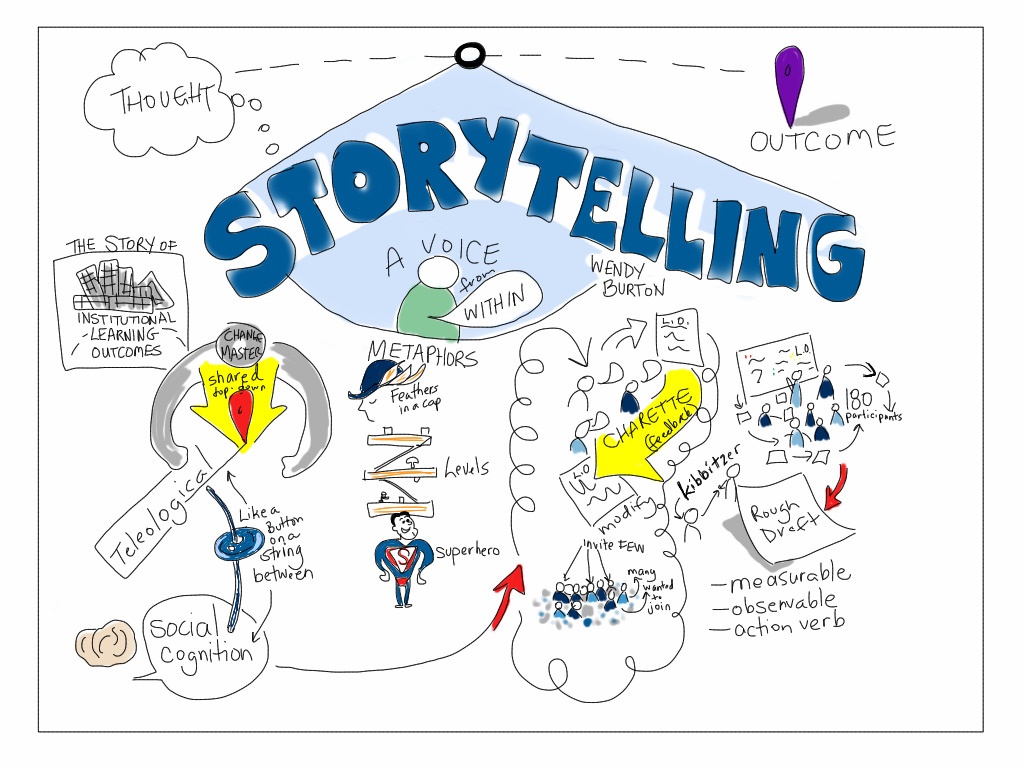
Storytelling picture diagrams by Giulia Forsythe
About the Author Mark Thomas
Mark is a visionary leader and writer who helps others discover their God-given purpose. See his teaching series www.LiveandGrowonPurpose.com